The Shops That Shaped Quorndon: Remembering the Counters, Characters and Closing Doors
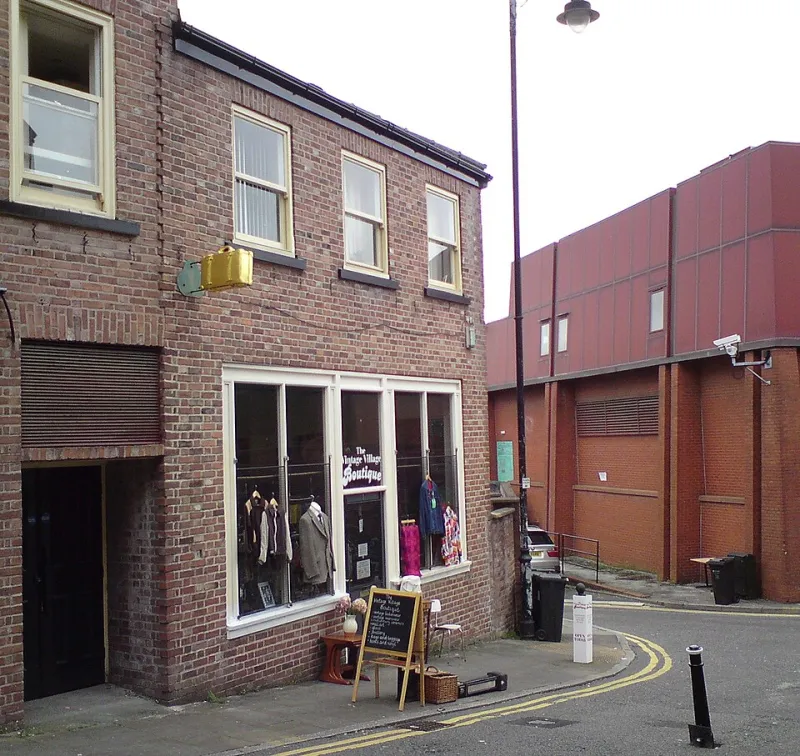
Photo: Gerald England , CC BY-SA 2.0, via Wikimedia Commons
Every village has its ghosts, and some of them stand behind counters. In Quorndon, the old shop names still surface in conversations: the grocer who knew which biscuits you wanted before you asked, the butcher who saved the best cut for Saturday, the little front room that sold sweets and shoelaces and gossip in equal measure. The buildings may have changed hands, changed windows, changed purpose, but the memories have a long shelf life.
This is not a formal history of every business that ever traded here. It is a starting point, a neighbourly rummage through the cupboards. Quorndon, or Quorn as plenty of us still call it, has never stood still. The village centre once supported a denser cluster of small shops than it does today, and the stories of those places tell us as much about daily life as any map can.
A High Street of Doorbells
Picture the village before the big weekly shop became the norm. Shopping was a series of small errands, often on foot, often with a child in tow. You went to the grocer for butter and bacon, the butcher for the Sunday joint, the newsagent for the paper and a packet of something you had not been sent for. Shopkeepers lived nearby. They knew your family. They knew your dog. They might even know what you owed.
Residents who remember the older village layout describe a high street with more doorbells and fewer blank windows. Some shops were proper premises with tiled floors and painted signs. Others were tiny, almost domestic, with a bell over the door and a paraffin heater doing its best in the back. The variety mattered. You could buy a birthday card, a mousetrap and a bag of flour without leaving the village.
The Grocer, the Ledger and the Credit Book
The grocer's shop is one of the most fondly remembered. This was not just a place to pick up a tin of peas. It was a small theatre of weighing and wrapping, with the smell of cheese, coffee and paper bags. Bacon was sliced to order. Sugar came in sturdy bags. Biscuits were chosen from a shelf with the seriousness of a diplomatic negotiation.
For families on tight budgets, the credit book was part of the rhythm of village life. Shoppers paid what they could and settled up when wages came in. That trust was not just financial. It was social. The grocer knew who was struggling and who had visitors coming. Deliveries went out by bike or van, sometimes with a boy balancing a box on the handlebars. Children were sent for messages and came back with strict instructions not to squash the bread.
Sawdust, Sharp Knives and Saturday Queues
The butcher's shop had its own rituals. Sawdust on the floor. A block of wood worn smooth by years of chopping. Strings of sausages hanging like decorations. The butcher's advice was part of the service: how to cook the joint, how long to keep the mince, which cut was best value this week. Good butchers were trusted in a way that no supermarket aisle can quite replicate.
Saturday mornings brought queues and conversation. People did not just buy meat; they caught up. Who was getting married. Whose roof was being repaired. Which bus had been late. The butcher might have been rushed off his feet, but he still knew how you liked your chops. Family businesses like that were passed down, or sold on with the goodwill of the name still attached. When they closed, the High Street lost more than a counter.
Sweets, Shoes and Small Repairs
Not every shop was about essentials. The sweet shop was a magnet for anyone with a few pennies and a long afternoon. Jars on shelves, paper bags twisted at the corners, the agonising choice between sherbet lemons and something chewy. For children, it was a small kingdom. For parents, it was a useful bribe on a wet Saturday.
Then there were the practical places: the shoe repairer, the hardware shop, the newsagent, the little stores that sold wool and buttons and odd bits of everything. Some villages had a bakery, a greengrocer, a fishmonger's van on a set day. Quorndon's own mix shifted over the decades, as cars, supermarkets and changing habits reshaped how people shopped. By the 1970s and 1980s, many small counters had already gone quiet. Some buildings became homes; others were absorbed into larger businesses or stood empty for a while.
What We Lose When a Shop Shuts
It is easy to be sentimental about the past, and we should not pretend that old shops were always perfect. Some were cold, some were cramped, and not every shopkeeper was a saint. But when a village shop closes, something social goes with it. The quick chat. The local knowledge. The chance to ask a neighbour how they are doing while waiting for a pound of sausages.
A high street is not just a row of buildings. It is a set of habits. Where you go for a paper. Who knows your name. Which window you stop at on the way home. The loss of those routines can make a village feel quieter in a way that has nothing to do with noise. It is why the memories matter, and why they are worth writing down before they fade.
Help Build the Quorndon Shop Archive
In 2026, Quorndon Voice is starting a living archive of the village's changing shops and high street. We are not looking for a polished museum display. We are looking for the real stuff: photographs of shopfronts, old receipts, paper bags, signs, delivery bikes, opening-day ribbons and behind-the-counter snaps. We would also love to hear your memories. Which shop did you run to after school? Who made the best sandwiches? Where did your grandmother send you for messages?
If you have a photo, we can arrange to scan it and return it safely. If you have a story, write it down as you remember it, even if the details are fuzzy. Dates can be checked later; voices are harder to recover. Email [email protected] with Shops Archive 2026 in the subject line. We will gather what comes in, add it to an online archive, and share a selection in a future issue. Between us, we can keep these counters and characters in the village conversation, where they belong.