Beep, Bell and Bakery Door: Mapping the Dawn Chorus of a Quorndon Morning
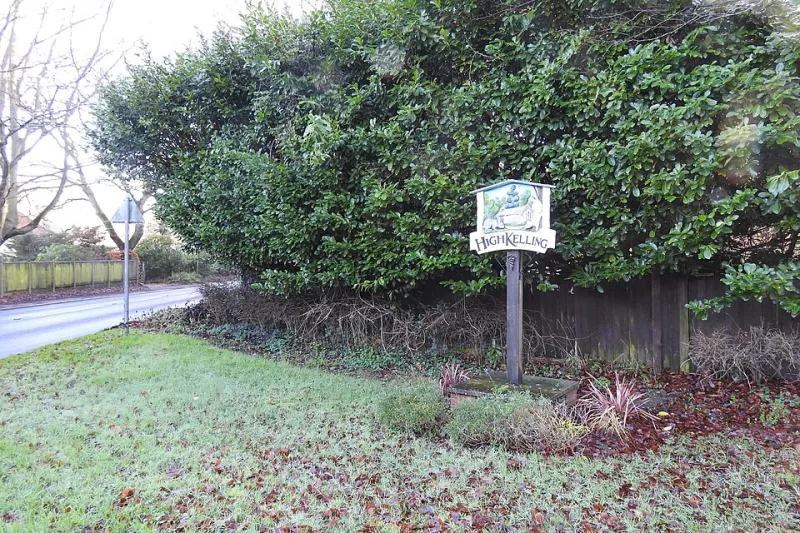
Photo: Adrian S Pye , CC BY-SA 2.0, via Wikimedia Commons
There is a moment, somewhere around twenty to seven on a damp November morning, when Quorndon stops being a set of streets and becomes a piece of music. Nobody conducts it. Nobody agrees on the tempo. But it happens anyway, in roughly the same order, five days out of seven.
We set out to catch it properly. Two weeks, a notebook, a thermal mug and a series of increasingly puzzled dog walkers asking what on earth we were doing standing still on the corner of Meeting Street. What follows isn't science. It's a sketch — an ear-led map of the noises that make up a Quorndon morning, and the neighbours who make them.
6:38 — The first sound isn't a bird
Sorry to the romantics, but the dawn chorus in mid-November is thin stuff. A lone blackbird, maybe. A robin having a go. Then, at almost exactly 6:38, the bin lorry arrives on the lower end of the village and the real soundtrack begins: the low diesel growl, the hydraulic sigh, and that three-note reverse beep that has become the unofficial alarm clock of half the street.
"I could set my watch by it," says Derek Fowkes, who has lived off Station Road since the 1980s. "Used to be milk floats. Now it's the wagon. Different noise, same job — tells you the day's started whether you're ready or not."
It's worth saying that not everyone hears it as music. Several people we spoke to described the beep with the sort of affection usually reserved for a neighbour's car alarm. But almost everyone agreed on one thing: when the collection day shifts because of a bank holiday, the morning feels strangely unfinished.
7:05 — Wheels, wellies and the school-run hum
By ten past seven the village has found its voice. Car doors. A gate that needs lifting to close. The particular clatter of a scooter being dragged out of a porch. Then, from about twenty past, the school-run proper: idling engines along the side streets, a rising tide of conversation, and the small, bright chaos of children who have not yet decided whether they are happy about the day.
Priya Naik, who walks her two up towards the primary school most mornings, says the sound she'd put on the map is the one nobody plans.
"It's the noise at the school gate when everyone arrives at once," she says. "Forty conversations, half of them about nothing. You can hear the whole village in it — grandparents doing the drop-off, people saying sorry for being in the way, someone handing over a forgotten PE kit. It's messy and it's lovely."
7:40 — The bakery door has a voice of its own
Every shop has a sound, and the bakery's is a bell over the door — a small, slightly flat ding that has apparently been there longer than anyone can confirm. It rings, on a busy morning, perhaps sixty or seventy times an hour. Regulars can tell the difference between the ding of a person who knows what they want and the ding of a person still deciding.
"You can hear the queue before you see it," says Tom Beresford, who cycles in from Barrow Road for a Friday loaf. "Door, ding, a bit of chat, door, ding. If it's silent when you walk in, something's up."
8:00 — One bell, counting for everyone
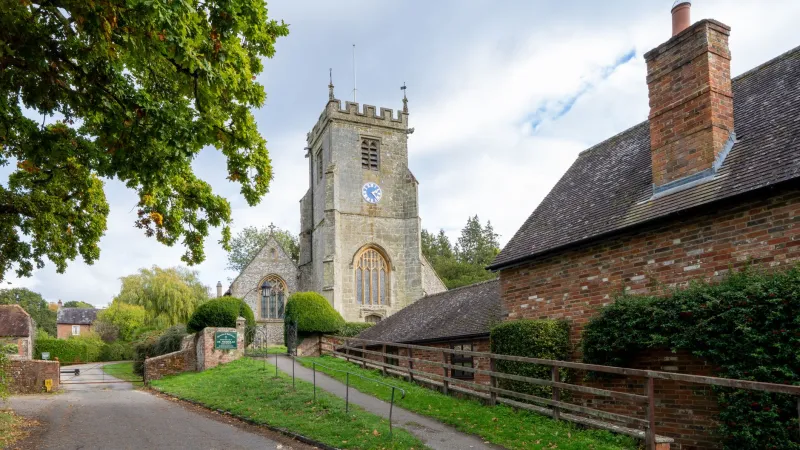
The church bell is the anchor of the whole thing. It doesn't care about the bin lorry or the traffic on Loughborough Road; it simply marks the hour and gets on with its day. For some it's background. For others it's the only bit of the morning that feels properly old.
"I'm not a churchgoer," one resident on Warwick Avenue told us, rather firmly, "but I'd know if it stopped. It's like the village breathing out."
8:20 — Engines tuning up
Then comes the practical layer: the van reversing out of a driveway, the first bus, the rush along the main road, a delivery driver asking his sat-nav a question it can't answer. It's the least picturesque part of the map and, arguably, the most useful. This is the noise of people getting to work, of parcels arriving, of the village plugging itself into the wider world.
9:15 — The leaf blower arrives, and everyone has an opinion
No sound divides Quorndon quite like the leaf blower. We mention it and people's faces change. Some hear a two-stroke nuisance; others hear a job being done properly before the pavements turn slippery. Either way, it's on the map — a whining, slightly comical footnote to autumn that seems to start the moment the school run clears.
The sounds we miss
Ask what's gone and the answers come quickly. The smithy. The cattle market days that older residents still describe with their hands. Milk floats with their electric hum. The clatter of a factory hooter that once organised the whole day. A train whistle from the old station that a few still swear they can hear on a still night.
"The village is quieter than it was in some ways and noisier in others," Derek says. "Fewer works whistles. More delivery vans. You swap one for the other and hardly notice you've done it."
Help us finish the map
Our version is deliberately incomplete. It has no entry yet for the skate park on a Saturday, the football crowd on a home fixture, or the specific squeak of your own back gate — the one you'd recognise anywhere.
So consider this an open invitation. What's the sound that means Quorndon to you? The first mower of spring? The Wednesday recycling crunch? The particular hush of the recreation ground at dusk?
Keep a note of it next time you hear it. The best maps of a village aren't drawn from above — they're built one overheard moment at a time, by the people standing still enough to listen.